wordpress.softwaredukaan.in

Empowering Neurodiverse Learners: The CSE Program's Mission and Approach

The CSE serves a student population of 170 individuals between the ages of 3 and 25, including those enrolled in the Center for Vocational Training. These students face various neurological challenges, such as Cerebral Palsy, Autism, Learning Difficulties among more.

The main aim of the CSE program is to create an environment that enables each student to reach their full potential academically and functionally, thus allowing them to become active members of the community.

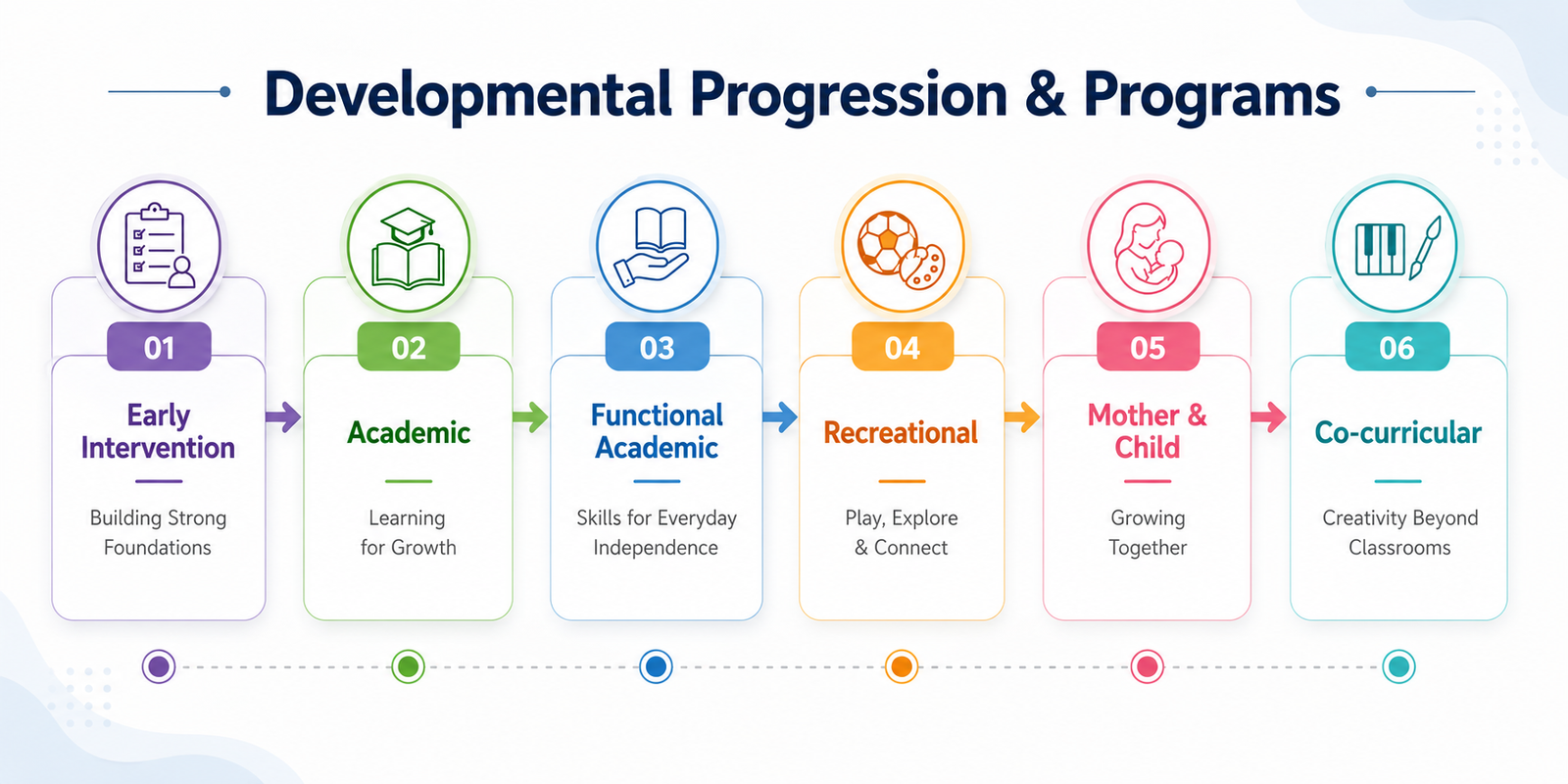
To achieve this goal, classes are divided into the following groups, based on the CSE objective:

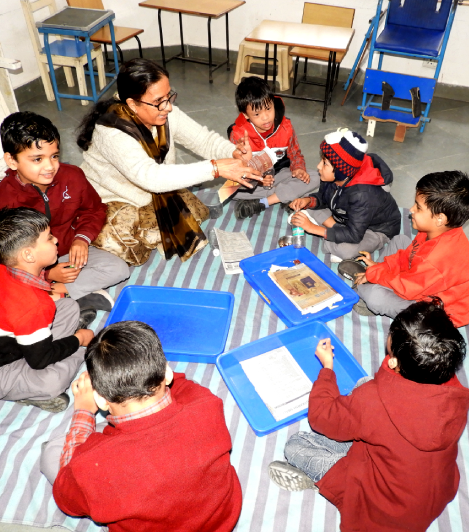
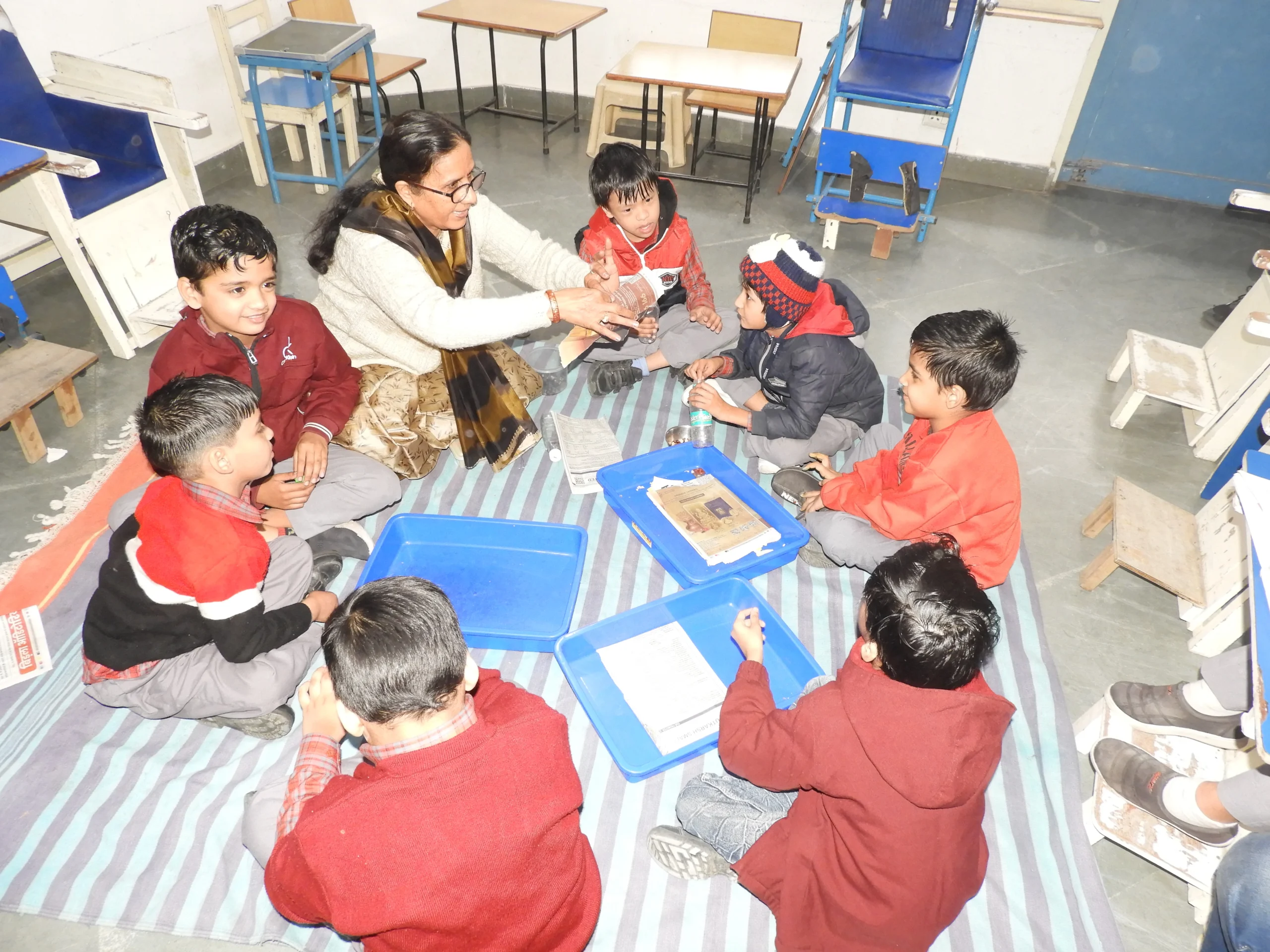
The primary objective of the “Early Intervention Program” is to offer assistance to infants, toddlers, and children up to the age of 5 who are at the risk of developmental delays.

The program is tailored to identify and address the unique needs of children in five key developmental domains, namely: physical; cognitive; communication; social & emotional development; and sensory & adaptive development.

Several resources, counseling, and therapy methods have proven effective in enhancing the children’s abilities.
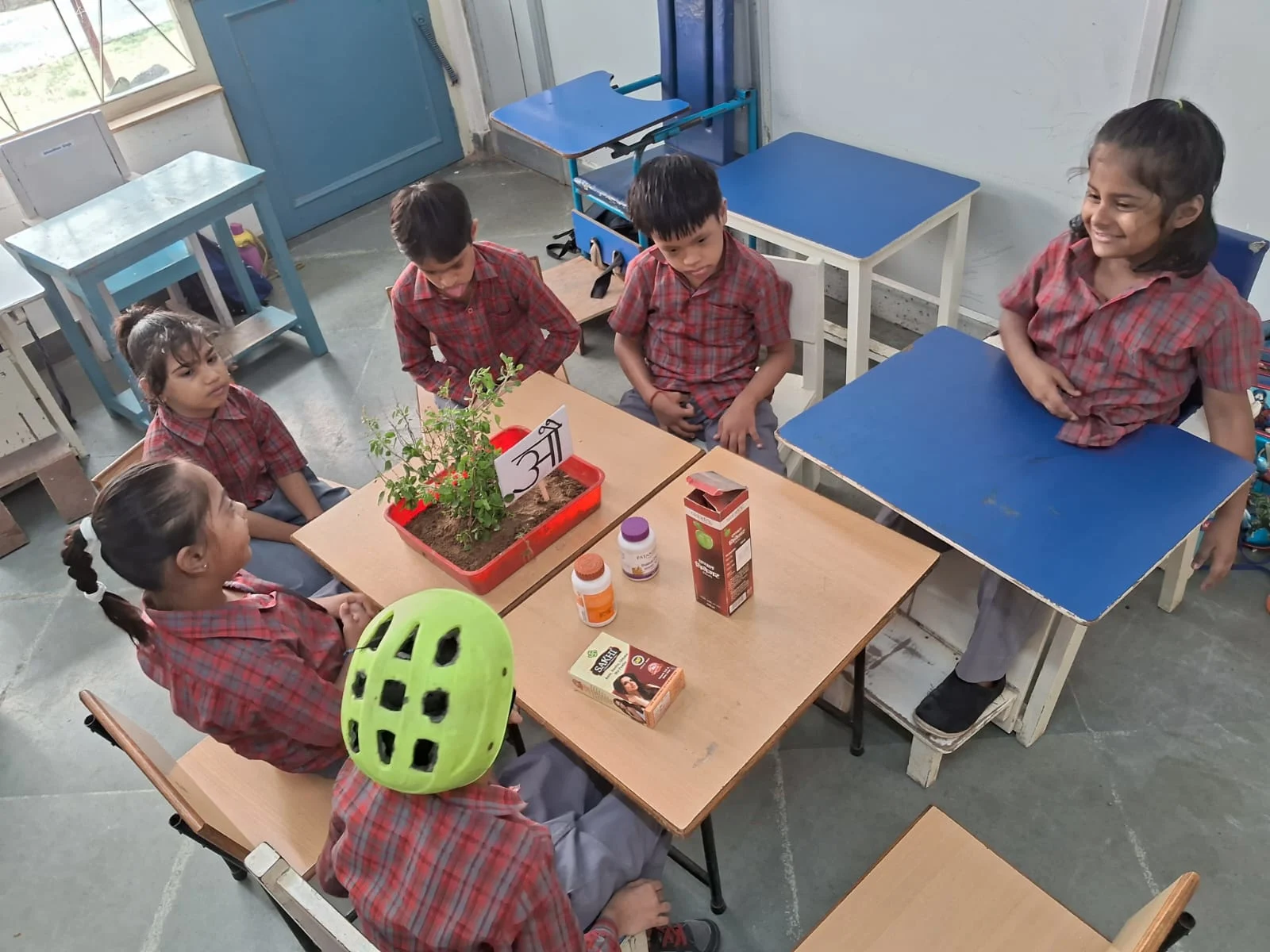
As a result of these interventions, children start communicating and interacting with peers, and gradually grasping academic concepts such as alphabets and numbers.

The students acquire fundamental skills in literacy and mathematics that are essential for their everyday interactions with the community.

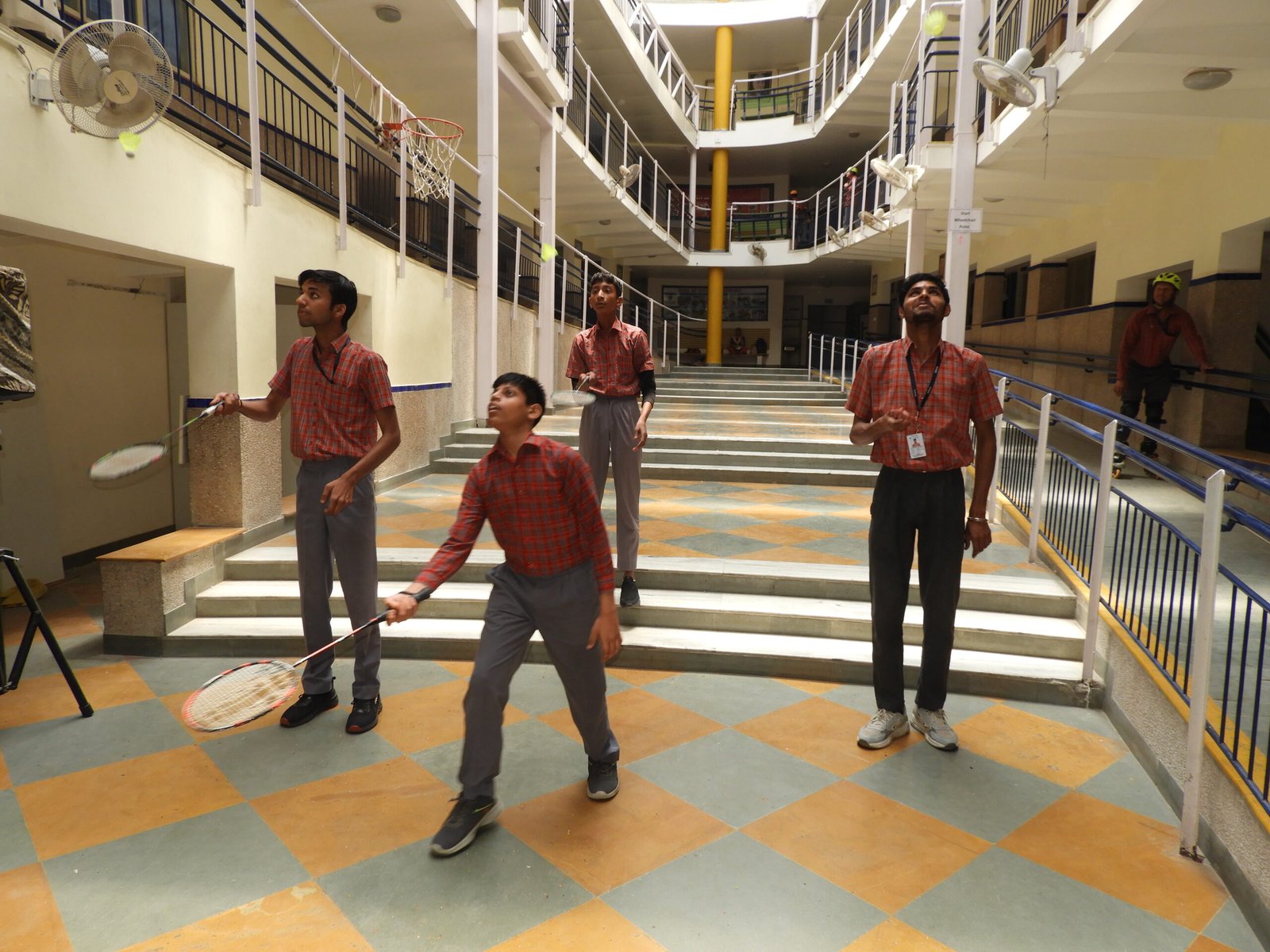
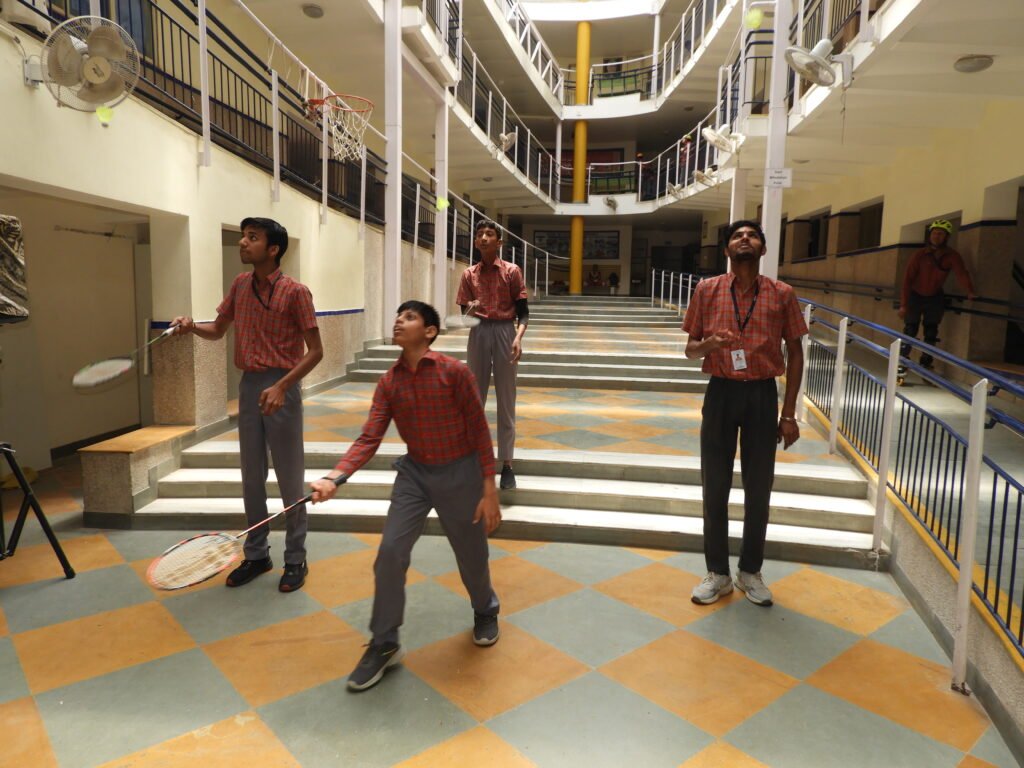
  • The library supports reading and learning, while the computer room develops digital skills. Games and sports promote fitness and teamwork, and the toy resource library encourages creative learning. Music, dance, and drama foster artistic expression, and various activities ensure overall development.

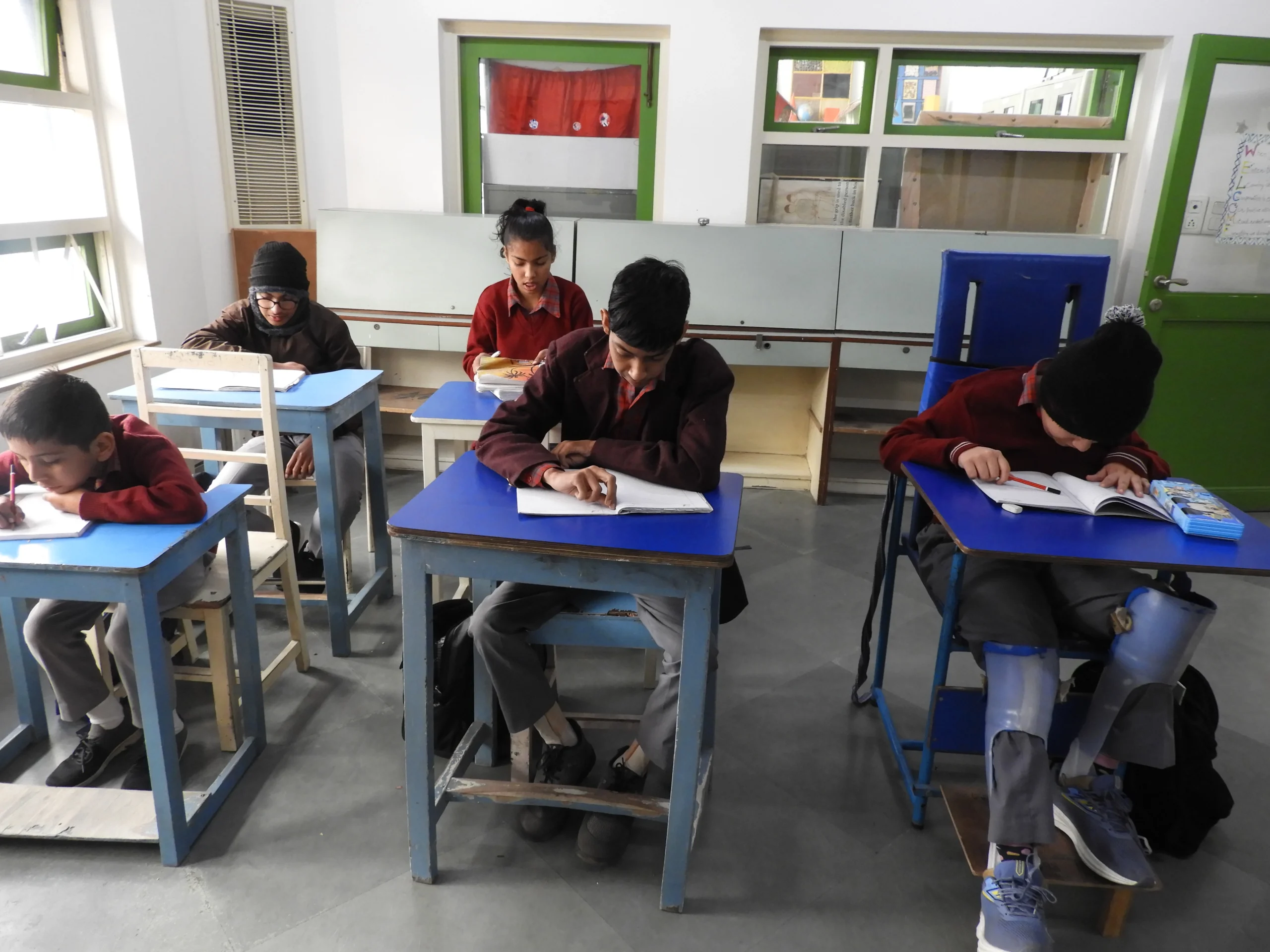
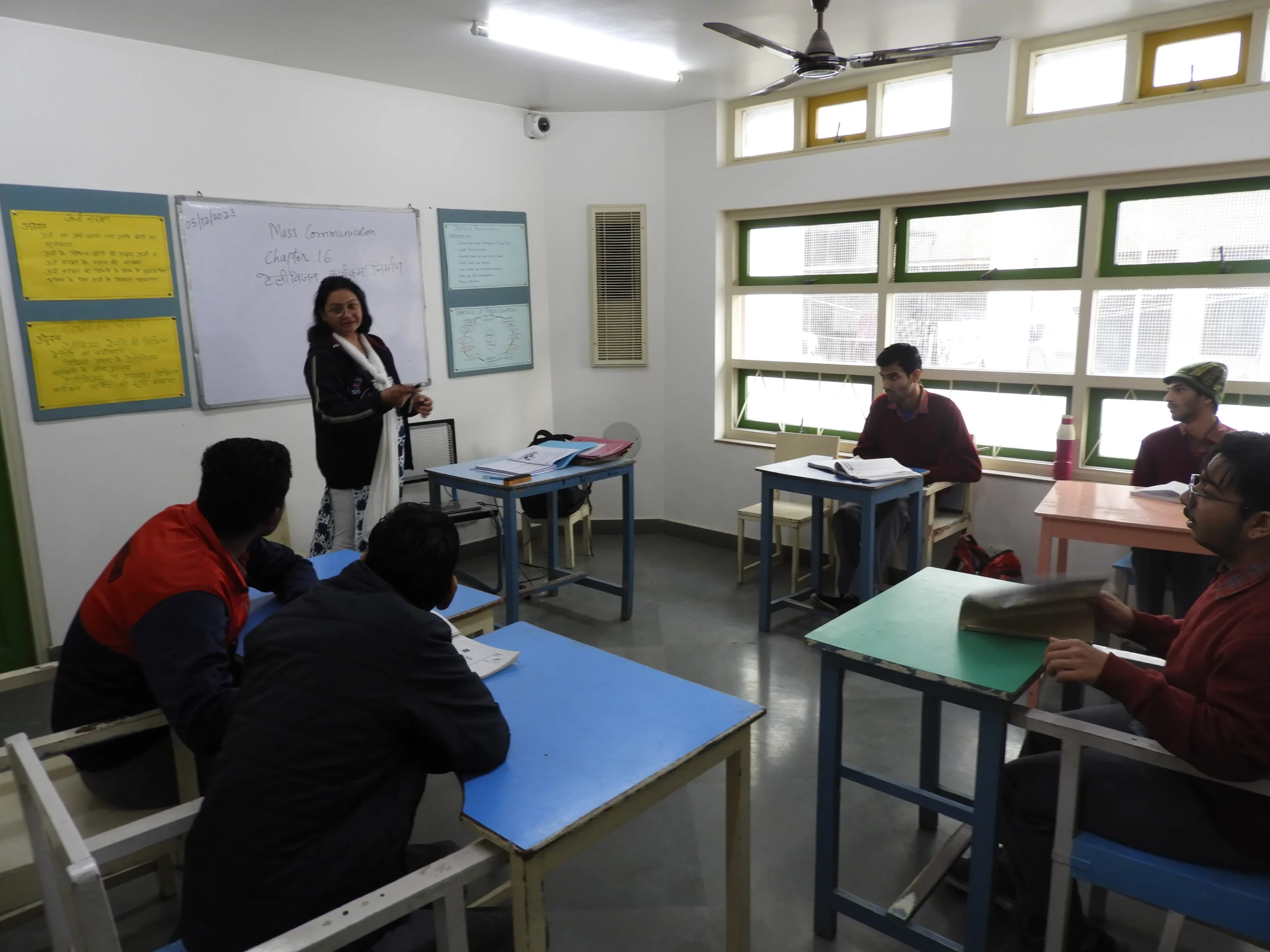
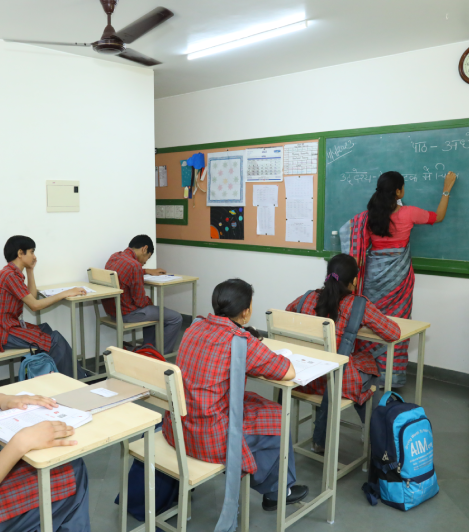
The academic group at CSE adheres to the standardized curriculum of the National Institute of Open Schooling (NIOS) for basic education, which readies students for mainstream schooling by preparing them for classes III, V, VIII, and X.

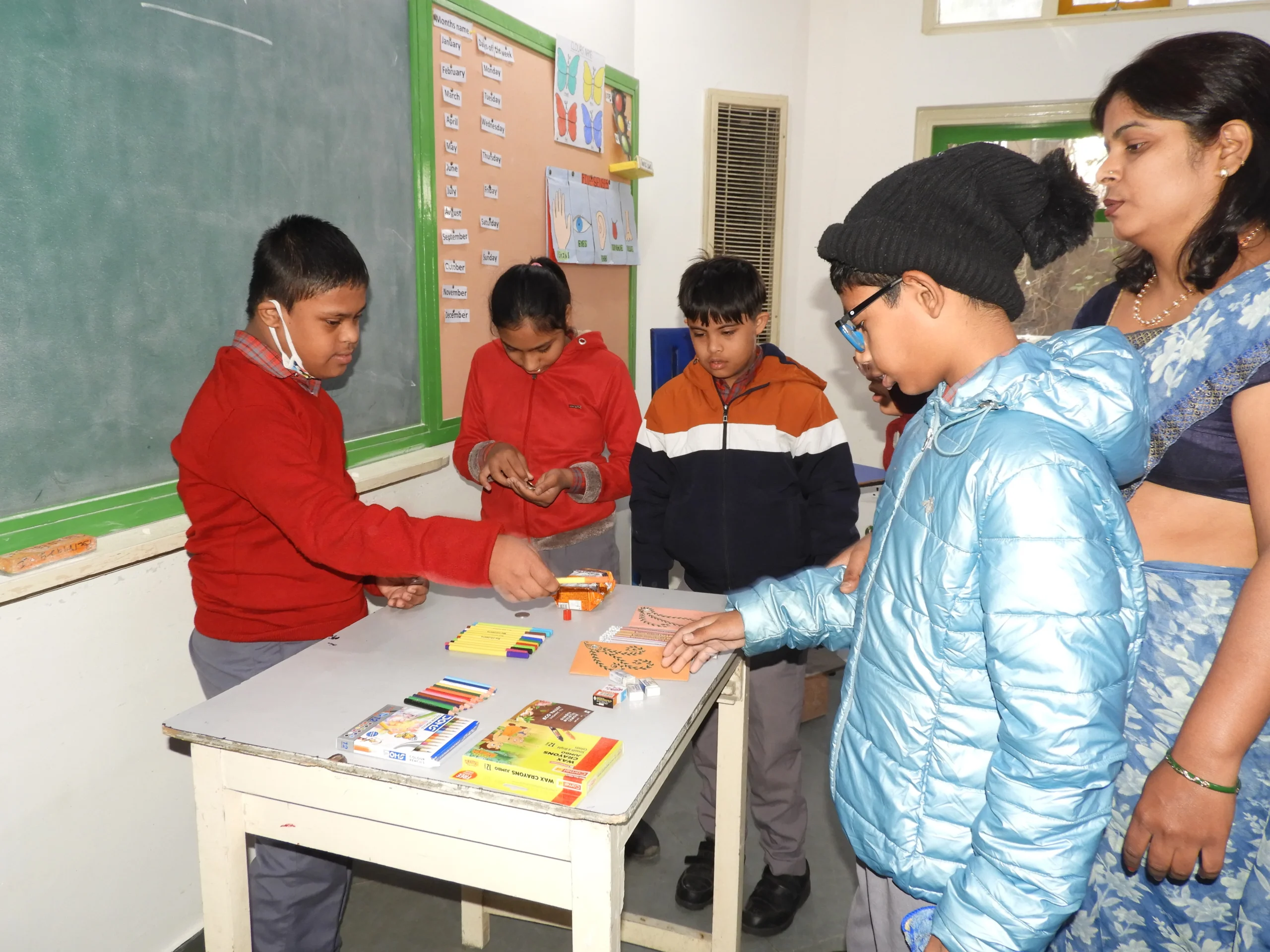
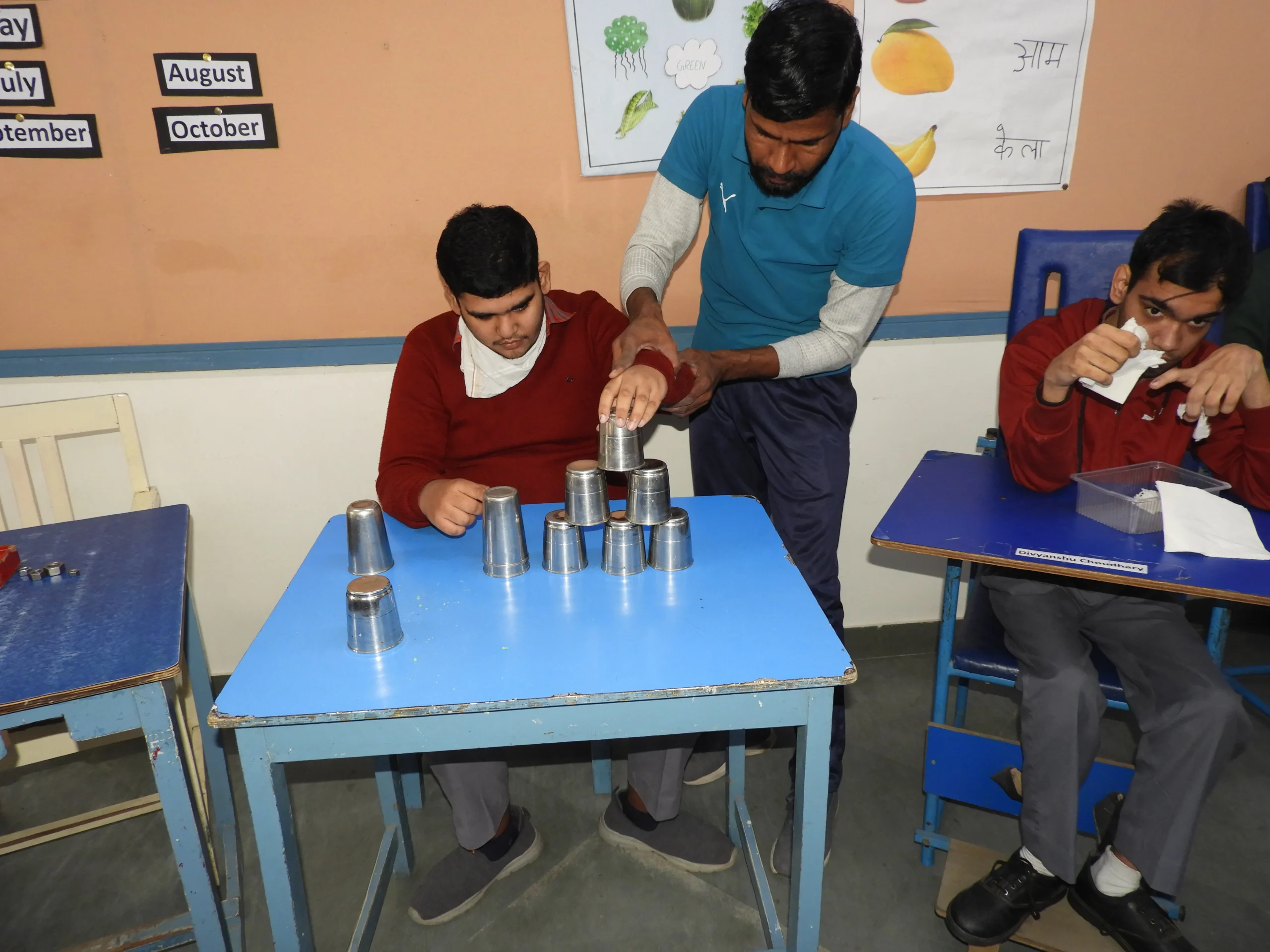
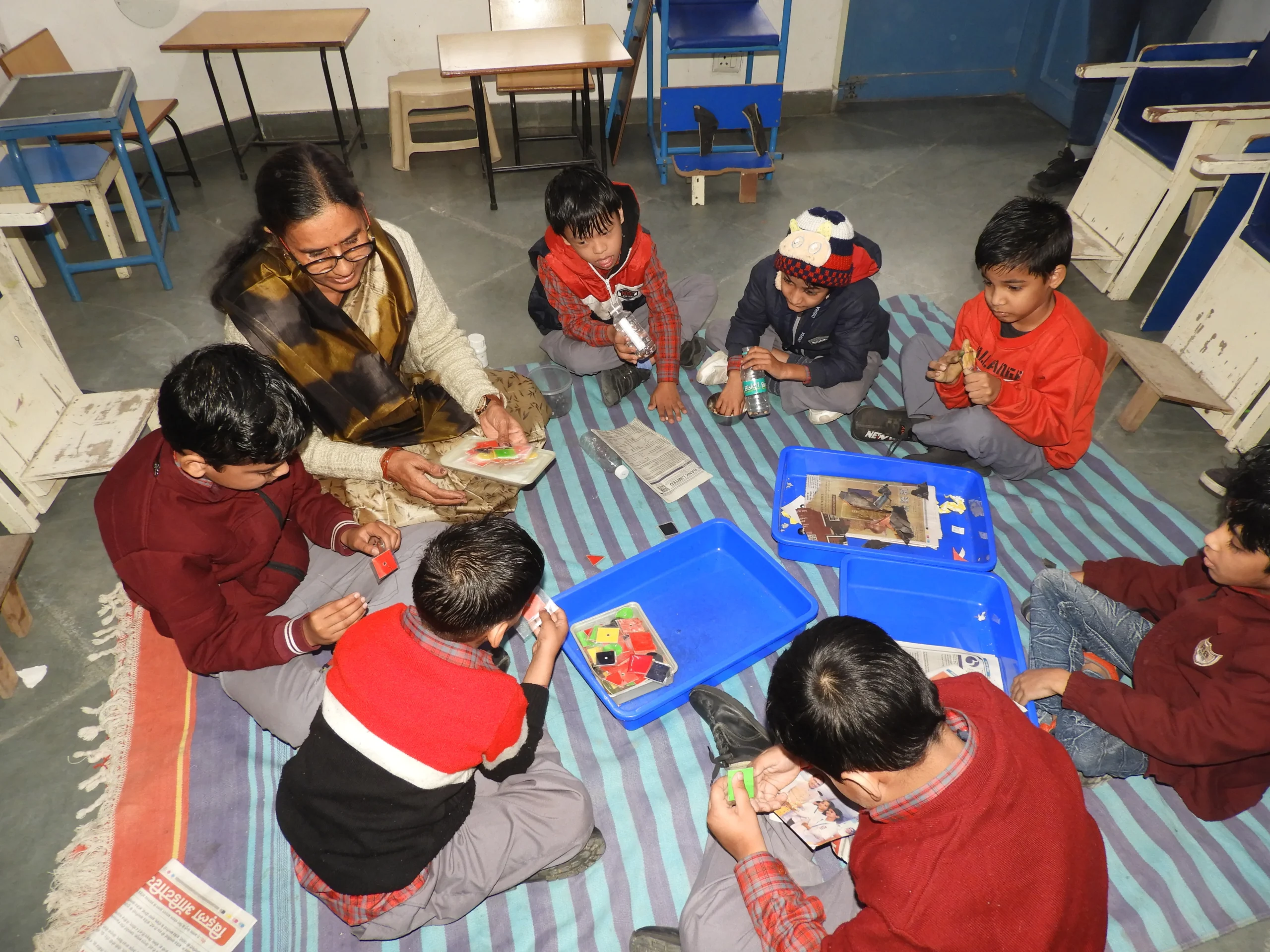
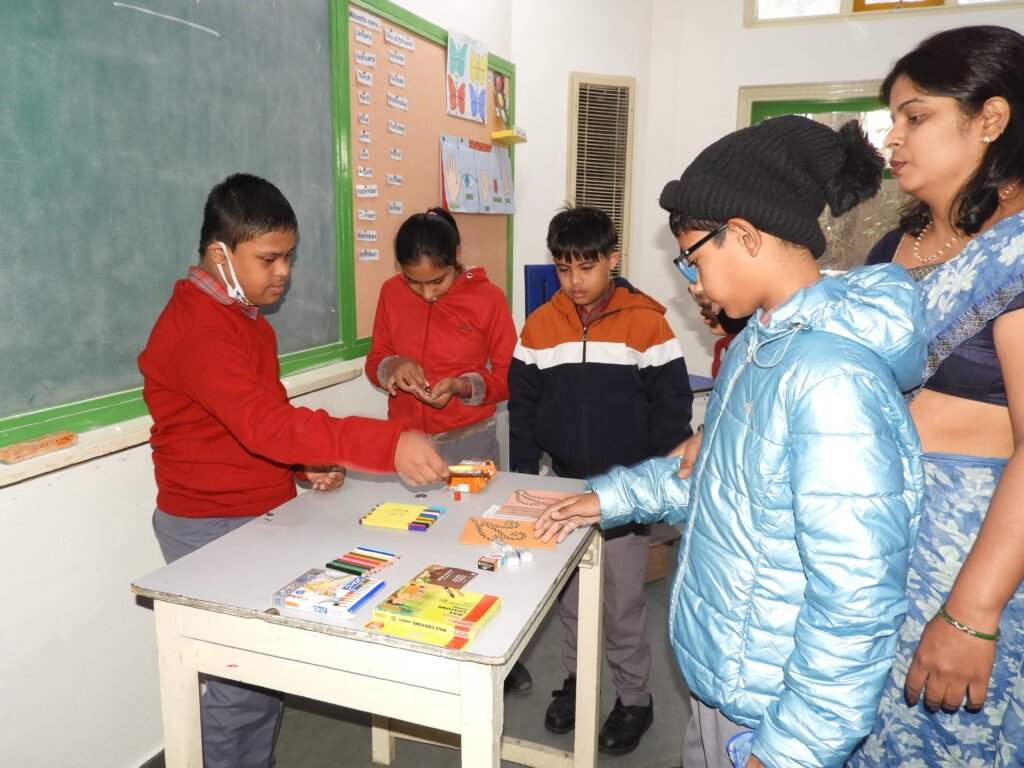
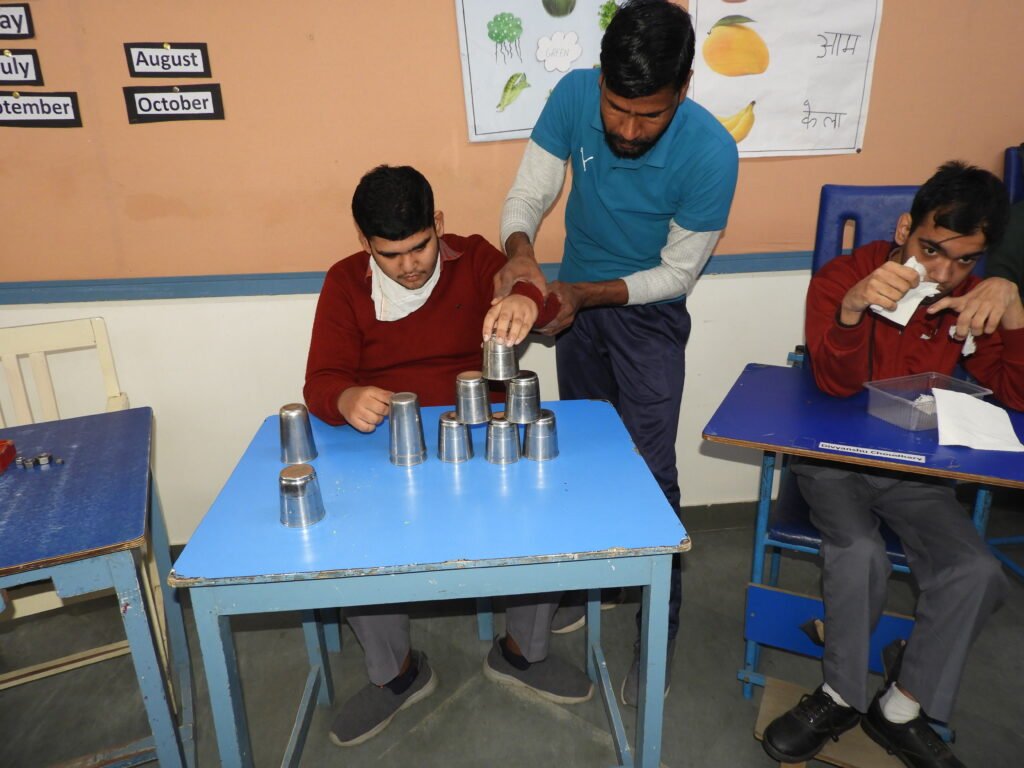
The students in this group require significant support to facilitate their learning. The class concentrates on acquiring skills that enable them to carry out essential functional activities in their daily lives, allowing them to participate fully in both their family and community. Learning takes place through an assortment of enjoyable and stimulating recreational and functional activities.

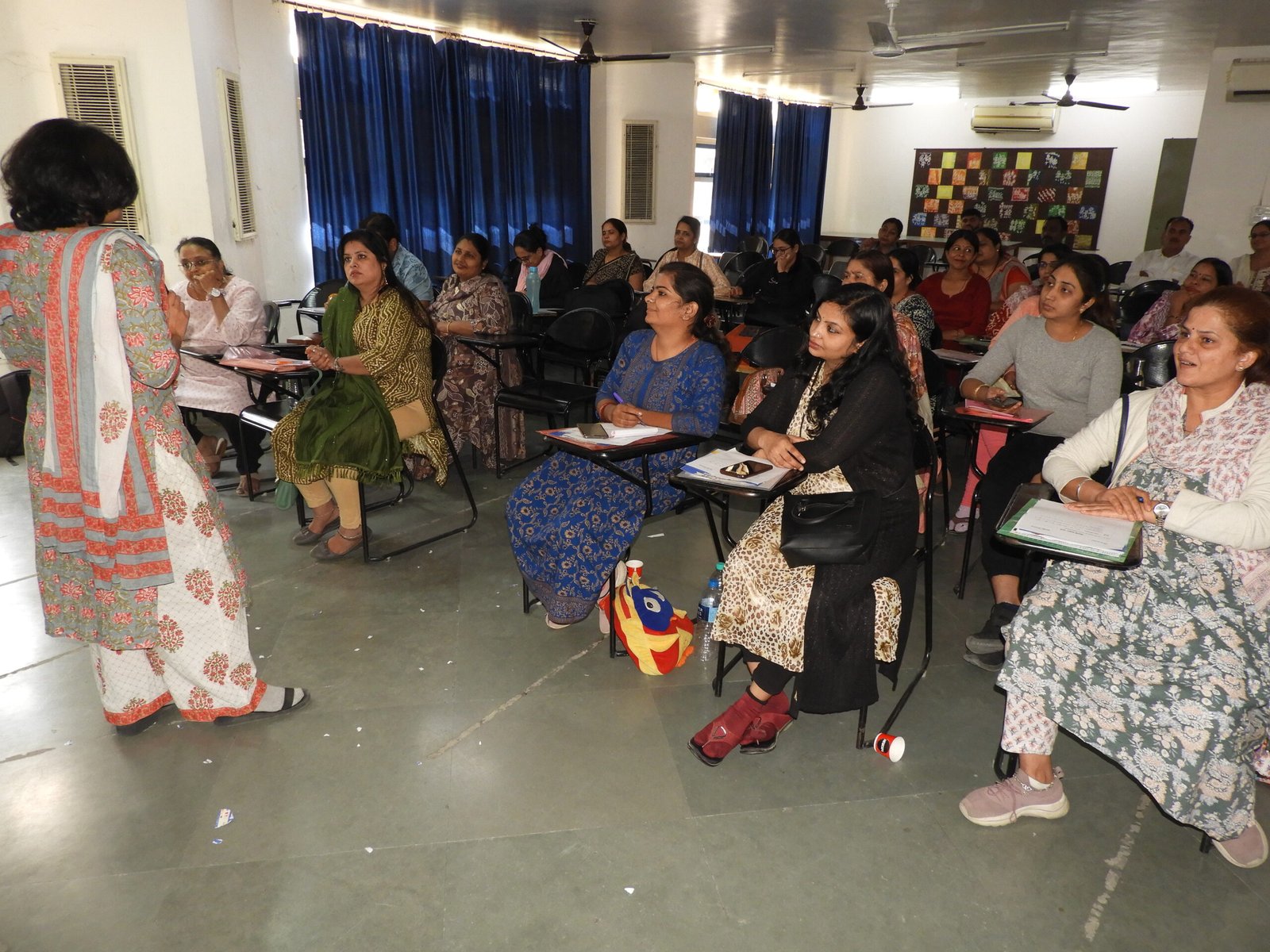
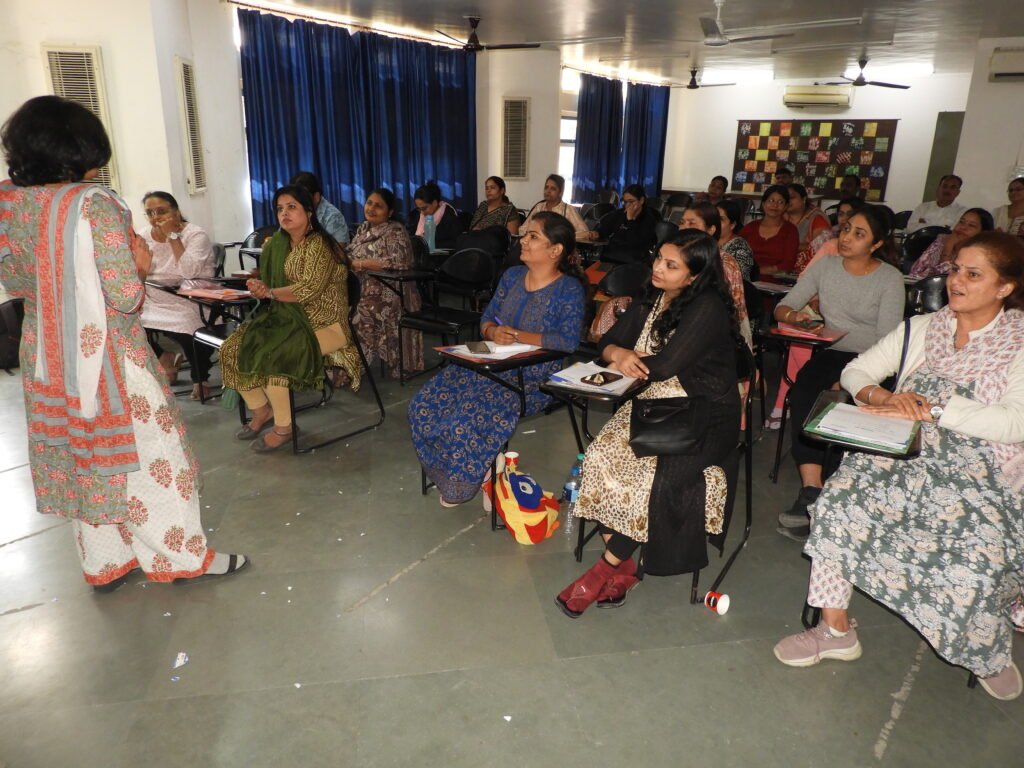
The “Mother and Child Training Program” aims to equip mothers of special needs children with the skills to effectively care for their child at home. The program helps mothers understand their child’s disability and unique learning style, empowering them to manage challenging situations and work more closely with their child. It focuses on improving the quality of mother-child interactions by teaching personalized, one-on-one techniques that consider the child’s strengths, developing skills, and areas of difficulty. This intervention, combined with a supportive and nurturing environment, significantly helps children overcome the challenges of their disability.