

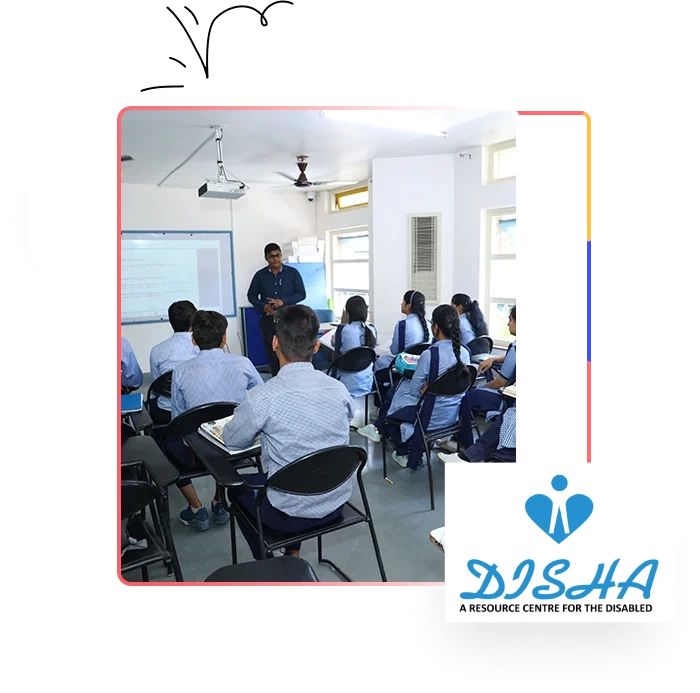

Students’ Council
The Students’ Council (SC) is the representative body comprised of students elected by their peers to advocate for their interests and address various issues within Disha.
Roles & Responsibilities
Representation
Student Council members serve as the voice of the student body, conveying their concerns, suggestions and needs to the school administration and faculty.
Leadership
They organize and lead various student- led activities, events, and initiatives, fostering a sense of community and college spirit.
Problem Solving
Nulla porttitor accumsan tincidunt. vamus The council works to address and resolve student-related issues ranging from academic matters to extracurricular activities and facilities improvement. convallis at tellus.
Advocacy
They may engage in advocacy efforts, such as campaigning for changes college rules or policies that benefit the student body.
Communication
The council often communicates important information to students through meetings, newsletters, or social media, ensuring transparency and keeping students informed.
Service and Volunteering
Many Student Councils are involved in community service projects and volunteering, promoting a sense of civic responsibility among students.
Say No to Ragging
The College Anti-Ragging Committee acts as a deterrent against ragging activities, sending a clear message that any form of harassment will not be tolerated. By fostering a safe and nurturing environment, it allows students to focus on their studies and personal growth, contributing to a positive and constructive educational experience. Comprising faculty members, administrative staff, and student representatives, this committee plays a crucial role in preventing and addressing instances of ragging or bullying within the campus.
To raise awareness about the consequences of ragging and educate students on the importance of maintaining a respectful and inclusive campus culture.
To establish a reliable reporting mechanism for students who witness or experience ragging, ensuring their anonymity and safety.
To thoroughly investigate reported incidents, gather evidence and take appropriate disciplinary actions against the perpetrators.
To provide support and counseling to victims of ragging helping them cope with emotional and psychological trauma.
To organize workshops, seminars and awareness campaigns that promote a culture of respect, tolerance, and empathy among students.
To ensure that the college adheres to the guidelines and regulations set by the anti-ragging laws and authorities.
The Grievance Redressal Cell
The Grievance Redressal Cell has been constituted to redress the grievances of students and to realize the primary needs of the students. Its primary purpose is to provide a formal mechanism for individuals to voice their grievances or complaints, seek resolution, and ensure their concerns are addressed fairly and impartially. The cell functions for the benefit of both the faculty and the students.
Functions and Responsibilities
Receiving Complaints:
The cell accepts complaints and grievances from employees, students, or other stakeholders, ensuring that the process is easily accessible and confidential.
Review and Assessment:
It evaluates the nature and merit of each complaint, determining whether it falls within its purview and if it requires further action.
Mediation:
The cell may attempt to resolve grievances through informal mediation or negotiation, facilitating discussions between the aggrieved party and the relevant authority.
Investigation:
In cases that cannot be resolved informally, the cell may conduct a thorough investigation, gathering evidence and interviewing relevant parties to reach a resolution.
Recommendations:
Based on the findings of investigations or mediations, the cell may recommend appropriate actions or solutions to address the grievance.
Documentation:
It maintains records of all complaints, actions taken, and outcomes, ensuring transparency and accountability.
Regular Reporting:
The cell periodically reports on the number and nature of grievances received and resolved, helping organizations identify recurring issues and implement preventive measures.
Policy Review:
It may review existing policies and procedures to identify areas that need improvement to prevent future grievances.
Timeliness: The cell strives to resolve grievances in a timely manner to prevent prolonged dissatisfaction and disputes.
Fairness and Impartiality: It operates with fairness and impartiality, ensuring that no party.
Anti Sexual Harassment Cell
Anti Sexual Harassment Cell The college has established an Anti Sexual Harassment Cell to prevent the harassment on gender basis and to ensure the safety and security of girl students and lady faculty members.
A Women Cell has been constituted in the college to deal with the women issues through regular interactions of the women faculty members of the cell with the girl students. The cell works on issues of women, especially gender sensitization and awareness issues. Seminars and talks are organized by the cell to make the women students/ faculty members aware of their rights. The college supports them with motivational talks on the topics like: Save the girl child, decline in the sex ratio, infant mortality rate, women empowerment, women property rights, legal awareness, and other such social aspects. The environment of institution is conducive to educational growth of girl students, and they are in close contact with their mentors and regularly avail advises and guidance from them. Mentor not only monitors their academic growth but also sees to it that they do not face any difficulty inside or outside the college. Psychological counseling is also available along with social and legal counseling for girls in the college. The college is also associated with NGO working on gender issues and so students can avail themselves of their help if required to be done so. The cell also organizes various types of training programs and creates awareness about self-employment schemes for the encouragement of self-reliance among women.
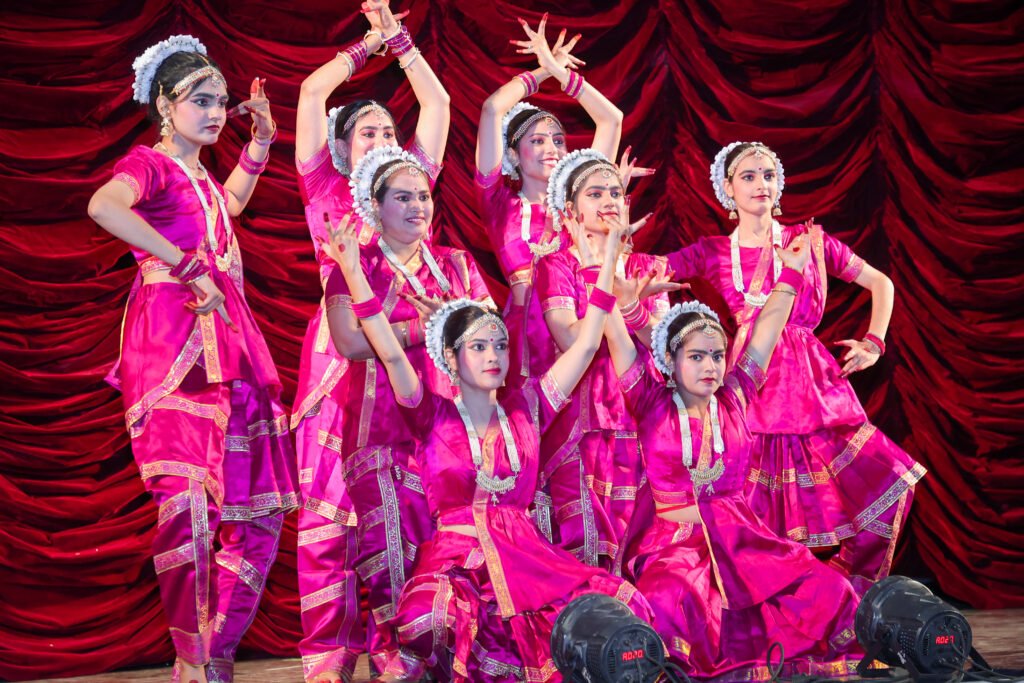
Cultural Committee
The Science club has the objectives of cultivation of awareness and consciousness of science and for this, it organizes various events in an interesting and orderly manner under proper leadership and guidance. The function of this club is familiarization of the student with scientific research, the encouragement of critical thinking and the involvement of students in scientific activities.
- Manages all the cultural events from their planning to their execution throughout the year.
- Prepares database of students interested in various activities.
- Students do various activities held in other colleges.
- Encourages students to participate in various extracurricular activities.
Sports/ Games Committee
The sports committee is a vital component of Disha, dedicated to overseeing and promoting sports and athletic activities. It plays a pivotal role in organizing, managing, and enhancing the sports program within the institution. Sports Committee contributes to the overall development of students or members by promoting physical fitness, teamwork, discipline, and a sense of belonging. It also adds vibrancy and a sense of community to the institution through its sports-related activities and events.
Functions and Responsibilities
Event Organization:
The committee plans and organizes sports events, competitions, and tournaments within the institution, fostering a spirit of healthy competition and sportsmanship.
Coaching and Training:
The committee coordinate coaching sessions and training programs for athletes and students interested in sports.
Sports Development:
It identifies and supports talented individuals, nurturing their skills and providing opportunities for advancement in sports.
Budget Management:
The committee manages the budget allocated for sports activities, ensuring responsible financial planning and expenditure.
Equipment and Uniforms:
It procures and maintains sports equipment, uniforms, and other necessary gear for athletes.
Promotion:
The committee promotes a culture of physical fitness and sports participation, encouraging a healthy lifestyle among students or members.
Safety and Health:
Ensuring the safety and well-being of athletes during sports activities, including first aid and medical support when needed.
Record Keeping:
Maintaining records of sports achievements, participation, and performance of athletes and teams.
College Admission and Website Management Committee
- To efficiently manage the college admission and maintain the College Website Functions: The committee is formulated, it executes the admission criteria ensure filling up seats.
- Responsible for the whole admission process viz. counseling of prospective students, Preparation and display of merit lists, form checking, section allotment etc.
- Screening of applicants for admission to various courses
- Send admission report to University & Govt. Periodically update the information posted on the website.